Why Biophilic Design in Modern Homes is Redefining 2025 Urban Living
As urban sprawl intensifies and digital immersion deepens in 2025, the global shift toward biophilic design in modern homes has become more than a trend—it’s a wellness revolution. With people spending up to 90% of their time indoors, architects, homeowners, and wellness advocates are embracing biophilic design as a powerful antidote to urban isolation, stress, and environmental degradation.
Rooted in Edward O. Wilson’s biophilia hypothesis, which posits that humans possess an innate affinity for nature, biophilic design transcends aesthetics. It’s a science-backed architectural philosophy that integrates natural elements—light, air, water, plants, and organic materials—into living spaces to enhance mental clarity, emotional balance, physical health, and sustainability.
From Mumbai high-rises to Scandinavian eco-lofts, biophilic design in modern homes is surging in popularity, driven by post-pandemic values: resilience, holistic well-being, and climate-conscious living. This comprehensive guide explores its principles, history, benefits, aesthetic impact, 2025 trends, real-world examples, DIY tips, and challenges, offering a roadmap to creating a nature-connected sanctuary in your own home.
For a glimpse into the future of living, explore the latest modern home design 2025 trends and smart living innovations , where sustainable materials, biophilic elements, and AI-driven technology come together to create homes that are not only stylish but also intuitive, efficient, and deeply connected to nature and wellness.
Understanding Biophilic Design: Core Principles & Scientific Foundations
Biophilic design in modern homes is not just about adding houseplants—it’s a strategic integration of nature into the built environment. The framework is guided by Terrapin Bright Green’s 14 Patterns of Biophilia, which fall into three categories:
- Direct Nature Connection
- Natural light and daylighting
- Indoor plants, green walls, and rooftop gardens
- Water features (fountains, indoor streams)
- Natural ventilation and airflow
- Indirect Nature Connection
- Use of natural materials (wood, stone, cork, bamboo)
- Nature-inspired patterns (fractals, leaf motifs, flowing forms)
- Earthy color palettes (greens, browns, blues, terracotta)
- Evocative artwork and murals of landscapes
- Spatial & Experiential Design
- Prospect and refuge spaces (cozy nooks with expansive views)
- Dynamic lighting that mimics circadian rhythms
- Curved layouts inspired by natural pathways
- Transitional zones like indoor-outdoor patios and atriums
Unlike traditional green architecture—which focuses on energy efficiency
Scientific Insight: Studies show biophilic environments reduce cortisol (stress hormone) by 15–20%, improve cognitive performance by 10–15%, and accelerate healing in medical settings.
Historical Evolution: From Ancient Gardens to 2025 Smart Sanctuaries
The roots of biophilic design in modern homes stretch back millennia:
- Ancient Egypt & Babylon: Gardens in palaces and the legendary Hanging Gardens showcased early integration of nature and architecture.
- Greco-Roman Courtyards: Open-air atriums brought light, greenery, and airflow into homes.
- Mughal & Rajput Architecture (India): Stepwells, charbagh gardens, and jharokhas blended climate resilience with beauty.
- Renaissance Estates: Fountains, vine-covered walls, and geometric gardens reflected harmony with nature.
- 19th Century Arts & Crafts Movement: Reacted to industrialization with handcrafted wood, stone, and floral motifs.
- Frank Lloyd Wright’s Fallingwater (1935): A landmark fusion of home and waterfall—biophilic design made iconic.
In the 1980s, biologist Edward O. Wilson formalized the concept with his Biophilia Hypothesis. By the 2000s, LEED and WELL Building Standards began rewarding biophilic elements. The 2020 pandemic accelerated demand for healing, nature-connected homes.
By 2025, biophilic design in modern homes is merging with smart technology:
- VR nature windows for windowless rooms
- AI-driven lighting that mimics sunrise/sunset
- App-controlled green walls with nutrient monitoring
- Scent diffusion systems releasing forest-like phytoncides
In India, architects like Archtra and Studio PKA are reimagining traditional courtyards with monsoon-resilient plants, passive solar design, and water harvesting, proving biophilic design is both timeless and future-ready.
For a deeper understanding of how global architectural innovations are shaping the future of sustainable living, explore this insightful overview on biophilic design and smart homes by the World Green Building Council , a leading authority in sustainable architecture and eco-conscious urban development. This external resource complements the modern home design 2025 trends discussed on Archtra, offering international perspectives on energy efficiency, wellness-focused spaces, and the integration of nature in urban living.
Top 7 Benefits of Biophilic Design for Health & Well-Being
- Stress Reduction & Mental Clarity
Natural views and greenery lower cortisol, reduce anxiety, and calm the nervous system. - Enhanced Cognitive Function
Exposure to natural patterns (fractals, flowing lines) boosts focus, creativity, and problem-solving—ideal for remote workers. - Improved Air Quality
Indoor plants like snake plants and peace lilies filter VOCs, reduce CO₂, and increase humidity. - Emotional Resilience
Biophilic spaces foster a sense of belonging, reducing loneliness and symptoms of depression. - Physical Activity & Movement
Open, fluid layouts inspired by natural paths encourage walking, stretching, and active living. - Immune System Support
Phytoncides—natural compounds released by plants—enhance white blood cell activity and immunity. - Faster Healing & Recovery
Hospitals with biophilic elements report shorter patient recovery times and reduced pain medication use.
In 2025, wellness is no longer optional—biophilic design in modern homes is a non-negotiable pillar of holistic health.
Aesthetic Transformation: How Biophilic Design Elevates Home Beauty
Biophilic design in modern homes doesn’t just heal—it dazzles.
- Natural Materials as Art: Exposed wood beams, stone feature walls, and cork flooring add warmth, texture, and tactile richness.
- Earthy Color Schemes: Greens (growth), blues (calm), browns (stability), and terracotta (energy) create serene, grounding atmospheres.
- Nature-Inspired Patterns: Fabrics with leaf veins, tilework mimicking riverbeds, or ceiling designs echoing tree canopies add subtle sophistication.
- Style Versatility:
- Minimalist: A single moss wall becomes a living sculpture.
- Bohemian: Hanging vines, rattan, and clay pots amplify organic charm.
- Modern Luxury: Glass atriums with koi ponds and curated plant displays.
Bonus: Homes with biophilic features see 5–10% higher resale value due to perceived wellness, uniqueness, and sustainability.
For expert insights and practical solutions, explore affordable home design ideas for Indian plots under 1000 sq. ft. that blend space efficiency, cultural considerations, and budget-friendly strategies to create your dream home.
2025 Biophilic Design Trends: Where Nature Meets Innovation
The future of biophilic design in modern homes is smart, sustainable, and soulful.
- Living Walls & Roofs with Hydroponics
- Reduce indoor temps by 3–5°C
- Cut energy use by 20%
- Support urban biodiversity (birds, bees, butterflies)
- Smart Biophilic Systems
- Circadian lighting that adjusts color temperature
- Automated plant care (watering, nutrients, pruning alerts)
- Scent diffusers with forest or ocean aromas
- Sustainable & Bio-Based Materials
- Bamboo flooring and furniture
- Mycelium (mushroom) insulation and wall panels
- Recycled cork and reclaimed wood
- Interactive Water Features
- Indoor rain chains
- Tabletop fountains with touch sensors
- Reflective pools with LED lighting
- Multifunctional Green Spaces
- Plant dividers in open-plan homes
- Kitchen herb gardens with smart irrigation
- Rooftop yoga decks surrounded by greenery
- Climate-Responsive Design (India Focus)
- Monsoon-tolerant native plants (neem, peepal, tulsi)
- Shaded windows and jaali screens for passive cooling
- Rainwater-fed vertical gardens
- Certification Integration
- WELL Building Standard now includes biophilic metrics
- India’s GRIHA and IGBC certifications reward green integration
Real-World Inspirations: Biophilic Homes & Buildings Around the World
- Bosco Verticale, Milan
Twin towers with 900 trees and 20,000 plants—reduces urban heat, filters pollution, and hosts birds. - Apple Park, Cupertino
175-acre campus with orchards, ponds, and natural ventilation—designed to boost innovation. - Oasia Hotel Downtown, Singapore
Red façade covered in 21 species of climbing plants—a vertical forest in the city. - Infosys Campus, Bangalore
Water bodies, native flora, and open-air workspaces reduce stress and enhance productivity. - Mumbai Biophilic Apartment
Floor-to-ceiling green screens, indoor waterfall, and recycled wood—proof that urban biophilic design is possible.
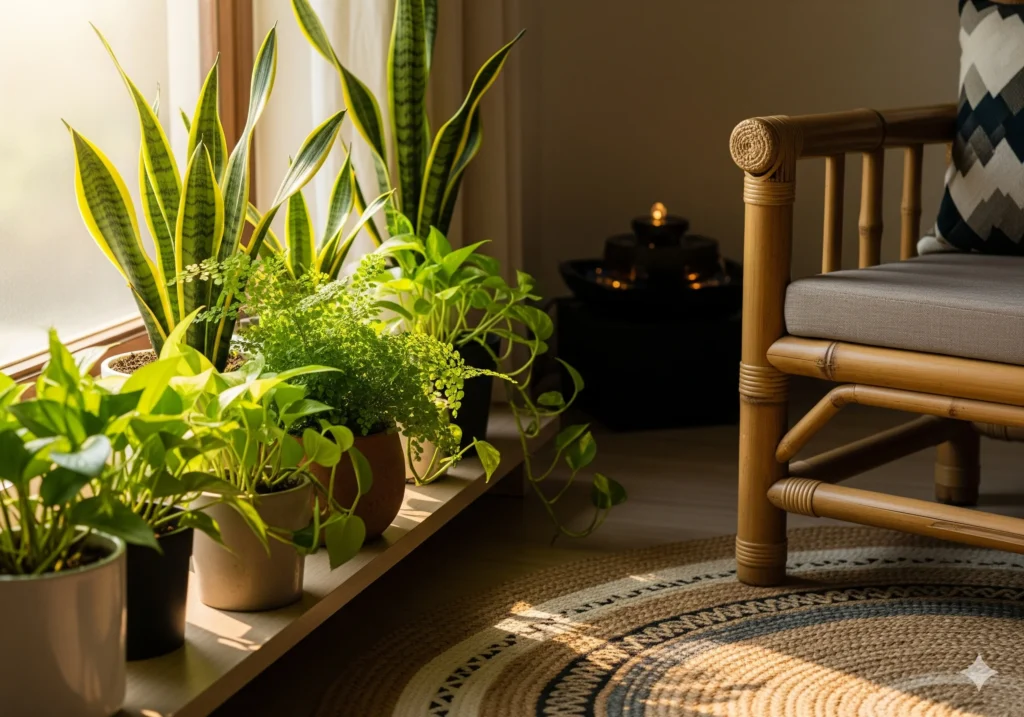
How to Bring Biophilic Design into Your Home: 10 Practical Tips (Any Budget)
You don’t need a mansion to embrace biophilic design in modern homes. Start small:
- Maximize Natural Light
Use sheer curtains, skylights, or light tubes to flood rooms with daylight. - Add Low-Maintenance Plants
Try snake plants, ZZ plants, or succulents—ideal for beginners. - Incorporate Natural Materials
Choose wooden furniture, stone countertops, or jute rugs. - Install a Small Water Feature
A tabletop fountain adds soothing sound and movement. - Create an Indoor Herb Garden
Functional, fragrant, and easy to grow in kitchens. - Use Nature-Inspired Art & Murals
DIY a forest or ocean mural, or hang large landscape photography. - Mirror the Outdoors
Place mirrors opposite windows to double the view of trees or sky. - Design a Cozy “Refuge” Nook
A reading corner with plants, soft textures, and warm lighting. - Upgrade Lighting
Use full-spectrum bulbs or smart LEDs that mimic daylight cycles. - Consult Experts for Big Projects
Green roofs, atriums, or hydroponic walls may need professional help.
Pro Tip: Tailor biophilic elements by room—calming greens in bedrooms, bright light in home offices, vibrant plants in living areas.
Overcoming Challenges in Biophilic Design
Despite its benefits, biophilic design in modern homes faces hurdles:
| High Initial Cost | Start small; use grants or green financing; phase projects over time |
| Maintenance | Choose native, drought-resistant, or low-care plants |
| Limited Space (Urban Homes) | Use vertical planters, hanging gardens, or modular green walls |
| Allergies | Opt for hypoallergenic plants (e.g., ferns, palms, orchids) |
| Moisture & Pests | Ensure proper drainage and ventilation; use organic pest control |
Long-Term ROI: Energy savings, health benefits, and increased property value make biophilic design a smart, sustainable investment.
Conclusion: Reconnect with Nature, Reclaim Your Well-Being
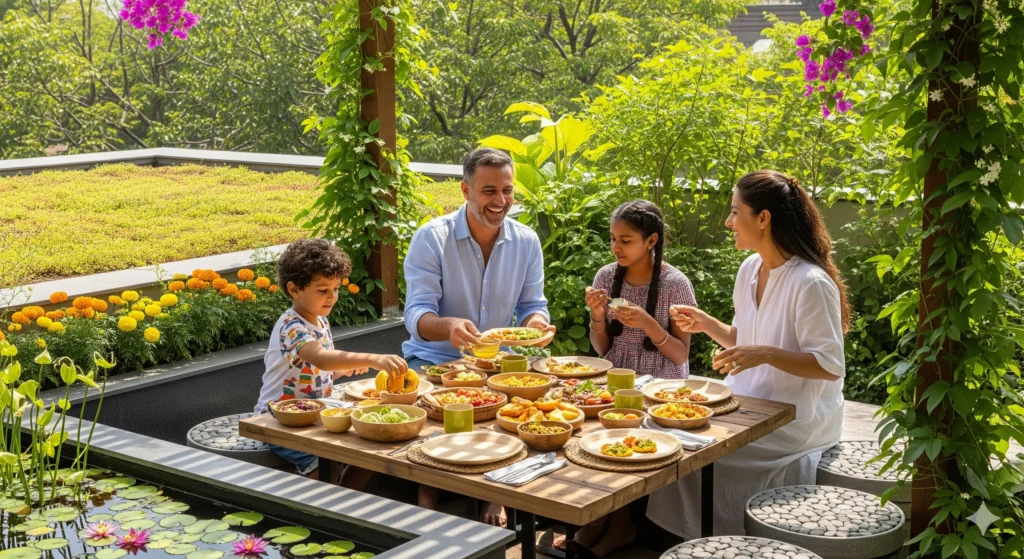
In 2025, biophilic design in modern homes is no longer a luxury—it’s a necessity for health, happiness, and planetary resilience. As cities grow denser and digital life dominates, our homes must become sanctuaries that nurture body, mind, and spirit.
By weaving nature into architecture—through light, plants, water, and organic forms—we create spaces that reduce stress, boost creativity, purify air, and deepen our connection to the Earth. Whether you live in a Mumbai apartment or a Bangalore villa, biophilic design is accessible, adaptable, and transformative.
Start today. Bring one plant indoors. Open a window. Let the light in.
Your journey to a healthier, more harmonious life begins with nature at home.
Frequently Asked Questions (FAQs)
Q: What is biophilic design in modern homes?
A: It’s an architectural approach that integrates natural elements—plants, light, water, and materials—into homes to improve well-being, aesthetics, and sustainability.
Q: What are the main benefits of biophilic design?
A: Reduces stress, enhances focus, improves air quality, supports immunity, encourages movement, and fosters emotional balance.
Q: How does it improve home aesthetics?
A: Natural textures, earthy colors, and organic shapes create warm, timeless spaces that elevate style and increase property value.
Q: What are the top 2025 trends?
A: Smart green walls, circadian lighting, mycelium materials, interactive water features, and climate-responsive designs—especially in India.
Q: Can it work in small urban homes?
A: Yes! Use vertical gardens, mirrors, compact plants, and smart lighting to maximize impact in tight spaces.
Q: Is biophilic design sustainable?
A: Absolutely. It reduces energy use, supports biodiversity, uses eco-materials, and aligns with green certifications like WELL and IGBC.
Q: How does it affect productivity?
A: Natural light and greenery improve concentration and reduce mental fatigue—ideal for home offices and remote work.
Q: Why is it rising in popularity?
A: Driven by wellness culture, urbanization, climate awareness, and the post-pandemic desire for healing, nature-connected spaces.