Modern heritage design is the idea that a home can feel deeply rooted in history and still work beautifully for the way you live today. Think restored woodwork beside a clean-lined sofa, an antique lantern over a contemporary dining table, or a hand-carved door with sleek modern hardware. It’s a direct reaction to the all-white, all-matching minimalism of the last decade, and it’s showing up in luxury renovations, new builds and design forecasts across the world.
A quick note on the trend’s status, because it matters for how you read everything below. Designers and design publications have been calling modern heritage one of the defining styles of 2026: Good Housekeeping surveyed more than fifteen professional designers and reported that most pointed to the same direction, and Houzz, Woodgrain and several luxury furniture houses have described the same shift toward character, craft and collected pieces. What I could not find is hard search-volume data proving it is the fastest-growing luxury search term, so this guide treats it as a major, well-documented movement rather than making a claim the numbers don’t back up.
Most articles on this topic stop at interiors: wood tones, antiques, a few paint colors. This guide goes further into the architecture itself, covering millwork, ceilings, facades, restoration and floor plans, plus how the look translates across different countries and heritage traditions. If you want it built into a real project, our team handles that through Archtra’s architecture and interior design services.
Table of Contents
- What Is Modern Heritage Design?
- Where the Term Came From
- Why Modern Heritage Design Is Surging Now
- Modern Heritage vs. Traditional, Transitional, Japandi and Maximalist
- The Core Elements of Modern Heritage Design
- Color Palette and Materials
- How Modern Heritage Shows Up in Architecture
- Room-by-Room Modern Heritage Ideas
- Modern Heritage Around the World
- How to Build It, Step by Step
- Common Mistakes to Avoid
- Sustainability and Modern Heritage
- Frequently Asked Questions
What Is Modern Heritage Design?
Modern heritage design pairs history with modern livability. The foundation is character: solid wood, stone, brick, handcrafted objects, antique or vintage pieces and architectural detail. The finishing layer is comfort and function: good lighting, practical layouts, comfortable seating and clean contemporary accents. Homes in this style don’t read as museum replicas, and they don’t read as sterile showrooms either. They read as lived-in, layered and personal, like they’ve been collected over time rather than bought in a single weekend.
If you’re still working out where this sits among the wider family of looks, our complete guide to interior design styles is a good companion read.
Where the Term Came From
Reports credit the New York design duo known as The Brownstone Boys with coining “modern heritage” as a name for this direction, describing it as restored woodwork paired with a contemporary sofa, or antique lighting alongside playful wallpaper. The label stuck because it captured something designers were already seeing: clients who wanted history and modernity in the same room, without committing to one era. The style itself isn’t brand new. Homes that mix old and new have always existed. What’s new is that it now has a clear name, a clear look and a wide audience.
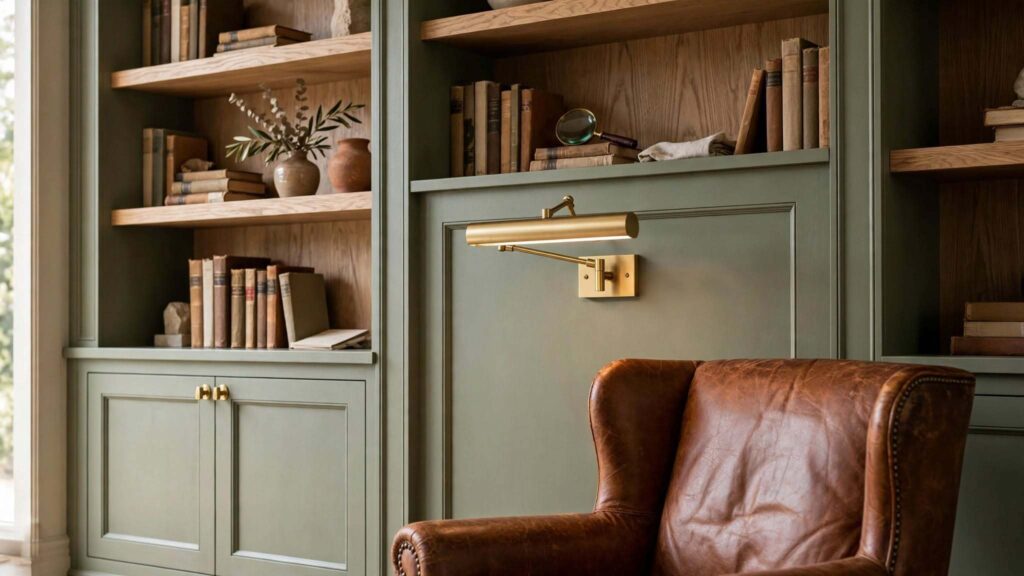
Why Modern Heritage Design Is Surging Now
Several forces are pushing in the same direction:
- Minimalism fatigue. After years of white walls and matching sets, many homeowners want warmth, depth and personality. Reporting on 2026 luxury interiors describes a move away from stark minimalism toward color, texture and craft.
- Easier sourcing. Online marketplaces for antiques and vintage pieces have made it far simpler to find one-of-a-kind items without a specialist dealer.
- A craving for authenticity. Handmade, natural and made-to-last pieces feel more meaningful than mass-produced uniformity.
- Sustainability. Buying old, restoring and reusing is quietly one of the greenest design choices available.
- Wood is back in a big way. Houzz reported that searches for wooden ceilings on its platform rose sharply in 2025 compared with the prior year, a sign of the growing appetite for warmth and architectural detail overhead.
Modern Heritage vs. Traditional, Transitional, Japandi and Maximalist
| Style | Core idea | Feel | How modern heritage differs |
|---|---|---|---|
| Traditional | Formal, symmetrical, period-inspired | Ornate, matched | Modern heritage mixes eras and keeps the layout relaxed |
| Transitional | Classic shapes with a neutral, updated palette | Polished, safe | Modern heritage leans harder into real antiques and craft |
| Japandi | Japanese calm plus Scandinavian warmth | Quiet, minimal | Modern heritage is more layered and story-driven |
| Maximalist | More is more, bold pattern and color | Loud, expressive | Modern heritage stays edited and rooted in natural materials |
For a deeper look at one of the closest relatives, see our Japandi style guide.
The Core Elements of Modern Heritage Design
- Natural materials. Solid wood, stone, brick, linen, leather, ceramic and metal with visible age or handwork.
- Mixed wood tones. Light oak floors beside dark walnut cabinetry, or an antique oak table with modern ash chairs. Matching every wood is no longer the goal.
- Architectural detail. Paneling, inset cabinetry, classic door profiles, cornices, ceiling beams and built-ins, often paired with modern hardware.
- Antique and vintage anchors. A few real pieces with history give a room its soul. They work best surrounded by simpler contemporary pieces that let them shine.
- Muted, grounded color. Warm neutrals and earthy tones that feel timeless and calming rather than trend-driven.
- Craftsmanship over quantity. Fewer, better-made objects, ideally with a maker or a story behind them.
Color Palette and Materials
The palette is warm and restrained: cream, stone, oatmeal and soft greige as a base, then deeper accents like olive, moss, muted blue, oxblood or chocolate brown. Blue in particular has been described as a rediscovered heritage color that looks nostalgic without feeling dated when paired with clean millwork or contemporary shapes.
Materials do the heavy lifting. Look for:
- Solid timber with visible grain rather than glossy veneer
- Natural stone such as limestone, marble or slate, honed rather than mirror-polished
- Aged brass, bronze and blackened steel for hardware and lighting
- Hand-glazed tile and ceramics with slight variation
- Wool, linen, velvet and leather with real texture
How Modern Heritage Shows Up in Architecture
This is the angle most competing articles skip, because they’re written by furniture and decor brands. Modern heritage isn’t only about what you place in a room. It shapes the building itself.
- Millwork and joinery. Paneled walls, built-in bookcases, window seats, inset cabinetry and deep skirting give a space a sense of craft from the moment you walk in. Done well, this architectural layer is what separates a heritage-inspired home from one that just has a few antiques in it.
- Ceilings. Exposed beams, timber slats, coffered ceilings and plaster details add character overhead and reflect the wooden-ceiling trend Houzz has reported.
- Restoration and adaptive reuse. Saving original floors, staircases, windows and fireplaces, then updating everything behind and around them, is the purest form of modern heritage.
- Facades and materials. Brick, stone, lime render and timber cladding that age gracefully, paired with contemporary glazing and clean detailing.
- Floor plans. Heritage character with modern flow: retaining or recreating defined rooms where they add charm, while opening up kitchens and living areas for how families live now.
If you’re adding to an older home, our home addition ideas guide explains how to make a new extension feel like it belongs. For a ground-up project, the custom home building process walks through the stages, and you can see refined, high-end residential work in our modern luxury villa design feature.
Room-by-Room Modern Heritage Ideas
Living Room
Anchor the room with one antique or vintage statement piece, such as a carved cabinet, an old mirror or a leather chair, then keep the sofa and coffee table simple and contemporary. Layer a wool rug, linen curtains and a mix of old and new lighting.
Kitchen
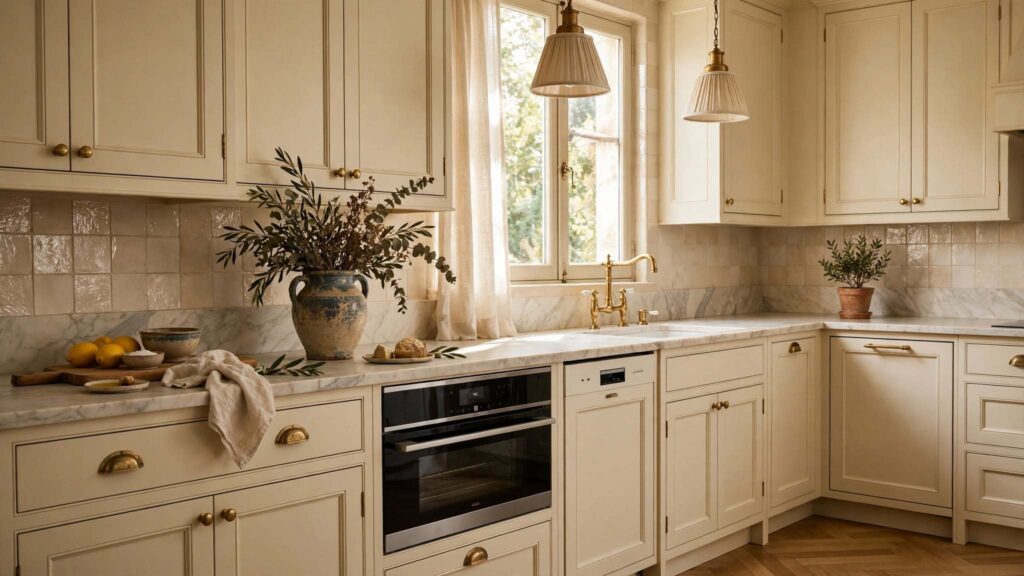
Inset shaker or paneled cabinetry, unlacquered brass or aged metal hardware, a natural stone counter and a farmhouse or apron sink hit the look quickly. Add modern appliances integrated behind panels so the heritage character stays front and center.
Bedroom
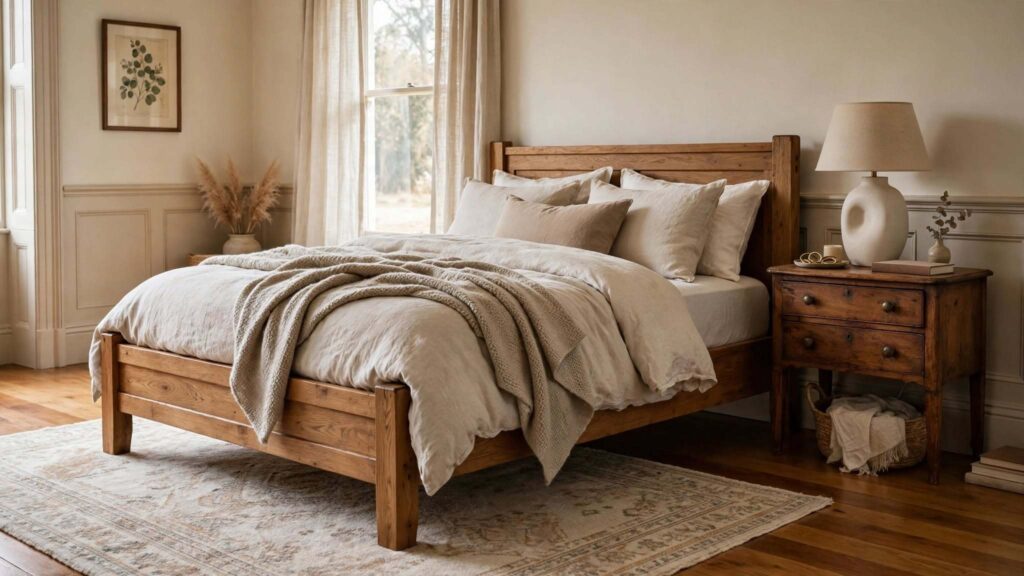
A timber bed frame, layered natural bedding, a vintage nightstand and a pair of contemporary lamps. Wall paneling or a picture rail adds architectural interest without clutter.
Dining Room
An antique or reclaimed wood table with modern chairs (or the reverse) is a classic modern heritage move. Hang a contemporary pendant over it for contrast.
Bathroom
Hand-glazed or zellige-style tile, a freestanding tub, aged brass fittings and a vintage vanity or mirror. Keep the layout clean and the lighting warm.
Entryway
The entry sets the tone. A solid wood door, a stone or encaustic-tile floor, a vintage bench and a statement lantern create a heritage welcome that still functions for daily life.
Modern Heritage Around the World
One of the most useful things about this trend is that “heritage” means something different in every place, and the best modern heritage homes lean into their own local history rather than copying a Western look. A few examples of how the idea can translate:
- UK and Europe: Georgian and Victorian mouldings, sash windows, encaustic tiles and restored fireplaces combined with contemporary furniture.
- India: Carved teak and rosewood, jaali screens, locally quarried stone, handloom textiles and traditional courtyards reinterpreted with modern layouts.
- Middle East and North Africa: Screen work inspired by mashrabiya, hand-set tile, warm plaster and arches paired with clean modern furniture.
- Japan and East Asia: Timber joinery, shoji-inspired screens and natural finishes, which overlap with Japandi principles.
- Mediterranean: Lime plaster, terracotta, stone and wrought iron, kept simple and weathered.
- North America: Craftsman woodwork, brownstone detailing, mid-century pieces and reclaimed materials.
The takeaway for any location: research the architectural traditions of your own region, then reinterpret them with modern comfort.
How to Build It, Step by Step
- Start with the bones. Identify any original features worth keeping or restoring: floors, doors, windows, staircases, beams, fireplaces.
- Set a calm base. Choose a warm, muted palette for walls and large surfaces.
- Add one or two heritage anchors per room. A single antique or vintage piece is more powerful than five.
- Bring in modern comfort. Contemporary sofas, good lighting, updated kitchen and bathroom fittings.
- Mix your woods on purpose. Aim for two or three tones repeated around the room.
- Layer texture. Wool, linen, leather, ceramics and hand-finished surfaces.
- Edit. Take one thing away before you finish.
On budget: the style rewards patience. You can begin with paint, lighting, hardware and a few secondhand finds, then invest in millwork, joinery and restoration over time as budget allows.
Common Mistakes to Avoid
- Turning it into a theme park. Too many antiques and period references make a home feel like a set rather than a place to live. Keep the balance with plenty of modern, simple pieces.
- Buying reproductions and calling it heritage. Real age, real wood and real craft matter. If you can’t afford authentic, choose fewer pieces rather than fake ones.
- Going too dark and heavy. Deep woods and rich colors need light, breathing space and contrast to feel warm instead of gloomy.
- Ignoring function. Heritage charm doesn’t excuse poor lighting, bad storage or uncomfortable seating.
- Matching everything. The point is a collected, layered feel, not a coordinated furniture set.
- Skipping the plan. Old buildings hide surprises. Get structural and permitting advice early. Our list of common interior design mistakes covers several layout and lighting errors worth avoiding here too.
Sustainability and Modern Heritage
Reusing what already exists is one of the most sustainable things you can do in a home. Restoring original timber instead of replacing it, buying vintage instead of new, and choosing durable natural materials all reduce waste and embodied carbon. This fits neatly with a broader shift toward long-lasting, repairable design, and it pairs naturally with the calm, mindful principles in our feng shui interior design guide.
Frequently Asked Questions
1. What is modern heritage design in simple terms? It’s a style that blends historic character with modern comfort. Think natural materials, architectural detail, antique or vintage pieces and contemporary furniture, brought together in a warm, layered, personal way.
2. Is modern heritage the same as traditional design? No. Traditional design tends to be formal, symmetrical and matched. Modern heritage mixes eras, keeps the layout relaxed and combines real history with clean modern pieces.
3. Is modern heritage really the top design trend of 2026? It’s widely named as one of the defining styles of 2026, including in a Good Housekeeping survey of more than fifteen designers and in trend reports from Houzz and others. There isn’t public data proving it is the single fastest-growing luxury search term, so “one of the defining trends” is the accurate way to describe it.
4. What colors work best in modern heritage design? Warm neutrals such as cream, stone and oatmeal, plus grounded accents like olive, muted blue, oxblood and chocolate brown. The palette should feel calm and timeless rather than bold and trendy.
5. Can I get the modern heritage look in a new-build home? Yes. New homes can gain heritage character through paneling, built-in joinery, timber beams, natural stone and reclaimed or antique pieces. An architect can plan these details from the start so they feel integral rather than added on.
6. How do I mix different wood tones without it looking messy? Limit yourself to two or three tones and repeat each one in at least two places in the room. Pair light woods with darker ones, and balance warm undertones with cooler ones.
7. Is modern heritage design expensive? It can be as affordable or as high-end as you make it. Paint, lighting, hardware and secondhand finds are budget-friendly starting points, while custom millwork and full restoration are larger investments. The style rewards building up gradually.
8. How does modern heritage differ from Japandi? Japandi is quiet, minimal and calm, blending Japanese and Scandinavian design. Modern heritage is more layered and story-driven, with antiques, architectural detail and a stronger sense of history.
9. Does modern heritage work in small homes and apartments? Yes, if you edit carefully. Choose a few meaningful heritage pieces, keep the base palette light and warm, and avoid heavy, oversized furniture. Architectural touches like a paneled wall or picture rail add character without taking up floor space.
10. Should I hire an architect or designer for a modern heritage project? For cosmetic updates, you can do a lot yourself. For restoration, structural changes, additions or custom joinery, a professional helps you avoid costly mistakes and keeps old and new details cohesive. Our guide on how to choose an architect explains what to look for.
Final Thoughts
Modern heritage design endures because it solves a real problem: how to make a home feel warm, personal and lasting without giving up modern comfort. Start with the bones of your space, add a few genuine pieces with history, keep the rest simple and well made, and let the home build its story over time.
If you’d like help bringing that vision to life, from restoration to a new build, our team at Archtra can design the architecture and interiors together. Browse our project portfolio and project gallery, learn more on our about page, or get in touch with our design team to start planning.